
Dementia is a progressive neurological condition characterized by a decline in cognitive function that interferes with daily life and independent functioning. It affects memory, thinking, orientation, comprehension, calculation, learning capacity, language, and judgment. There are several types of dementia, with Alzheimer's disease being the most common. The symptoms of dementia can range from mild cognitive impairment to severe memory loss and can significantly impact both the individual and their family's quality of life.
Memory loss is often the earliest and most recognizable symptom of dementia, beginning with difficulty remembering recent events, while older memories may initially remain intact. Unfortunately, dementia is a progressive degenerative condition for most, meaning that cognitive abilities continue to decline over time, making it a challenging and emotionally difficult journey for patients and their loved ones.
Unfortunately, modern life has launched a relentless attack on the well-being of our brain, central nervous system, and sensory organs that often accelerate conditions such as memory loss and dementia.

THE DEMENTIA EPISTĒMĒ IN BRIEF ( What is an EPISTĒMĒ? )
Our epistēmē is centered on both prevention and de-acceleration, aiming to reverse dementia by addressing the factors that often trigger memory loss, including poor neural connectivity, imbalances in key neurotransmitters, chronic inflammation, oxidative processes, and more. Most importantly, we've identified factors of great significance to the brain's health that are often dismissed or regarded as secondary by treating physicians.
MEDICINA SOOKE DEMENTIA EPISTĒMĒ EFFECTIVENESS RATE

PREVENTION
EARLY STAGES
MODERATE TO ADVANCED STAGES*
NOTE: Prevention is key when it comes to neuronal degeneration. It is therefore extremely important to identify symptoms early ( see more at alz.org )
*Moderate to severe cases have not been treated yet.
IN BRIEF
THE DEMENTIA EPISTĒMĒ
( What is an EPISTĒMĒ? )
Our epistēmē is centered on both prevention and de-acceleration, aiming to reverse dementia by addressing the factors that often trigger memory loss, including poor neural connectivity, imbalances in key neurotransmitters, chronic inflammation, oxidative processes, and more. Most importantly, we've identified factors of great significance to the brain's health that are often dismissed or regarded as secondary by treating physicians.
MEDICINA SOOKE DEMENTIA EPISTĒMĒ EFFECTIVENESS RATE
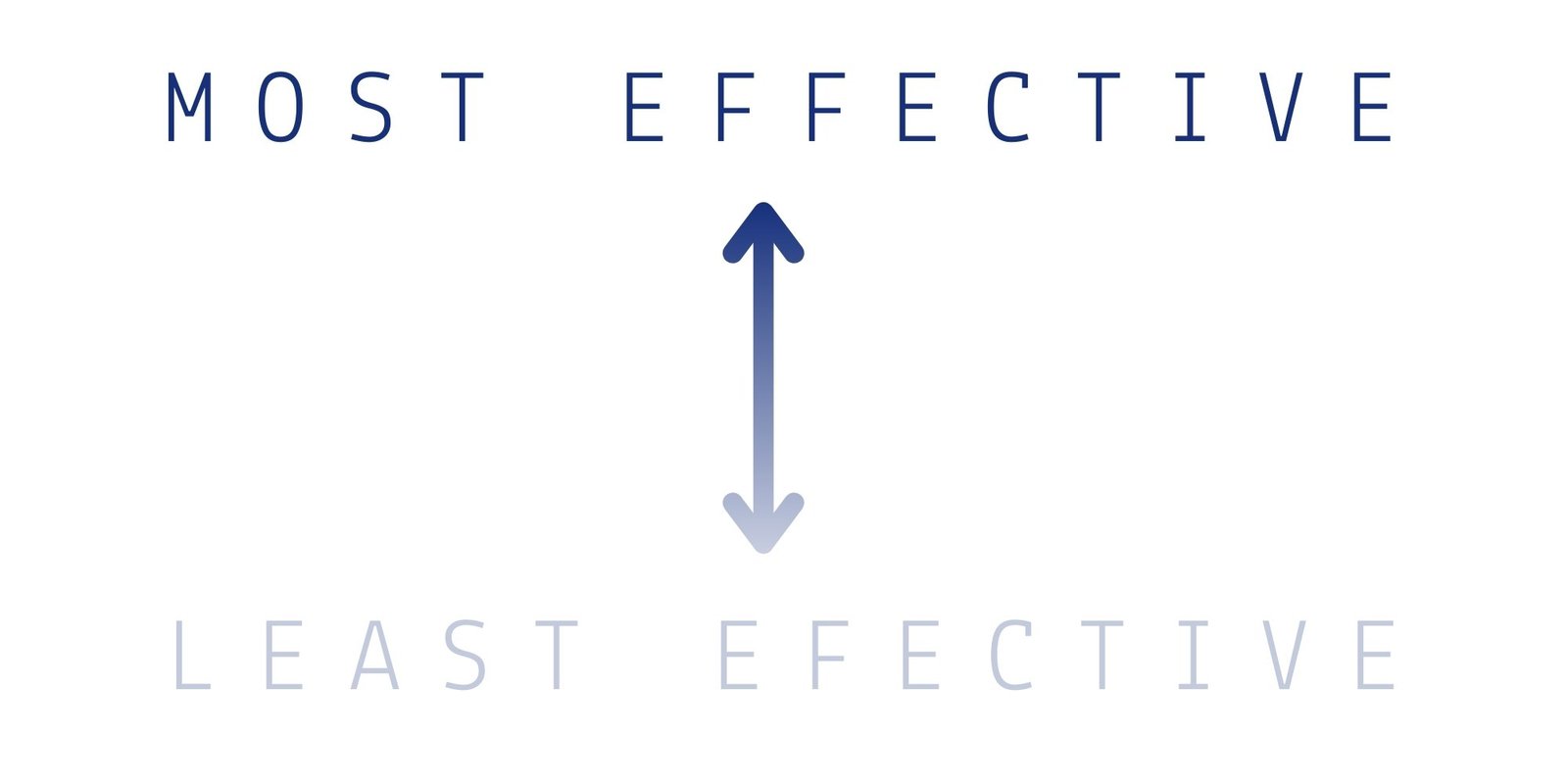
PREVENTION
EARLY STAGES
MODERATE TO ADVANCED STAGES*
NOTE: Prevention is key when it comes to neuronal degeneration. It is therefore extremely important to identify symptoms early ( see more at alz.org )
*Moderate to severe cases have not been treated yet.
What's next?
We are close to rolling out this and other treatments to the general public. To be the first to know and receive updates, please subscribe to our waiting list.